Can I Drink Alcohol After Botox? What You Should Know
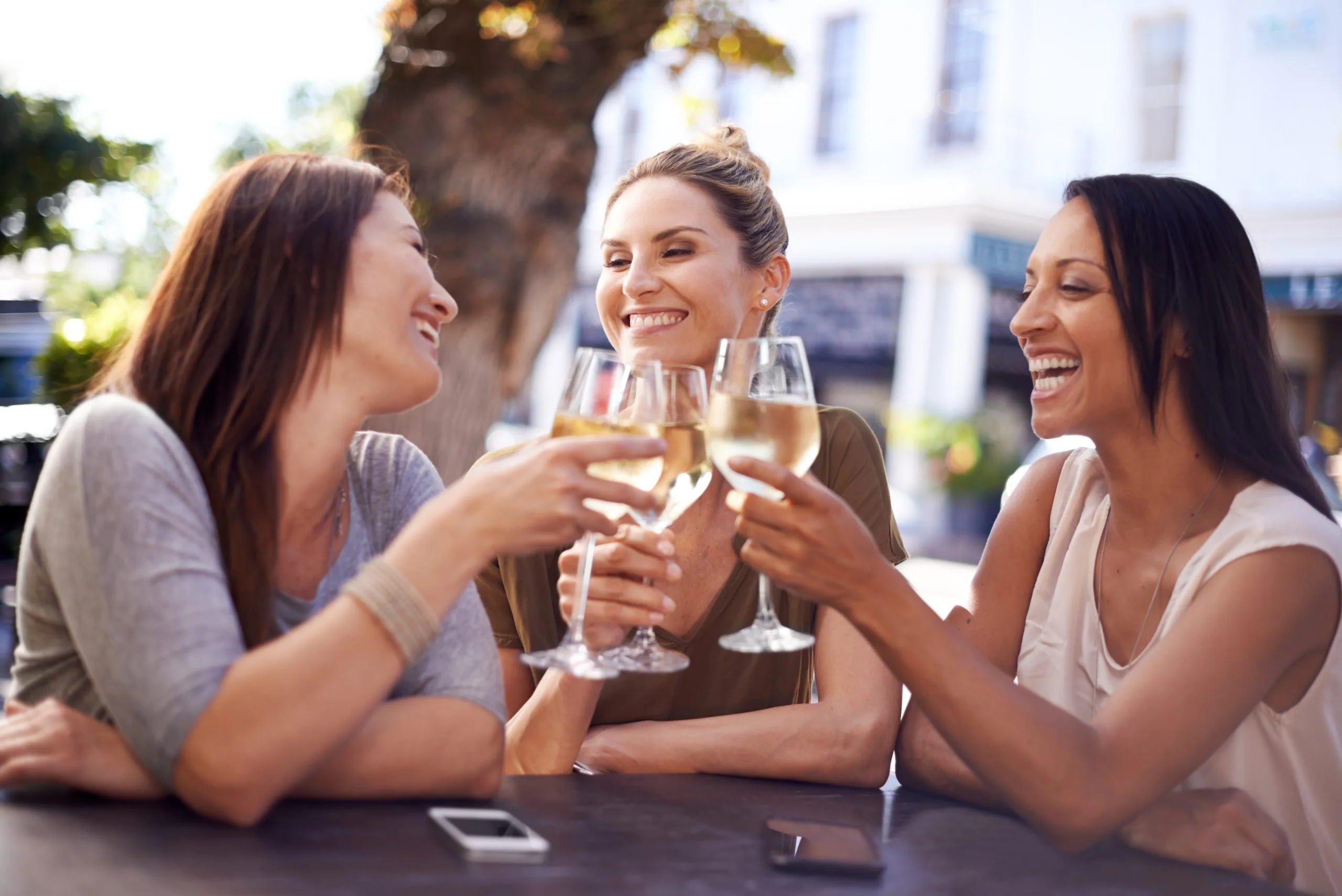
You’ve just invested in a Botox treatment to smooth out those fine lines and wrinkles, and now you’re wondering if you can enjoy a glass of wine with dinner or celebrate with cocktails. While having a drink after your appointment might seem harmless, most medical professionals recommend waiting at least 24 hours before consuming alcohol, with many suggesting a 48-hour waiting period for optimal results and minimal complications. This precaution isn’t just about being overly cautious – it’s rooted in how alcohol interacts with your body’s healing process and can directly impact both your comfort level and the quality of your results.
Understanding the relationship between alcohol consumption and Botox injections is essential for anyone considering or recovering from this popular cosmetic procedure. Let’s explore why timing matters, what the science says, and how to create the best aftercare routine for your treatment.
Why Botox and Alcohol Don't Mix Well
The connection between Botox injections and alcohol consumption centers on several physiological factors that can compromise your results and increase your risk of side effects. When you understand these mechanisms, the aftercare guidelines make much more sense.
Alcohol acts as a vasodilator, meaning it causes your blood vessels to expand. This increased blood flow can lead to several unwanted effects at your injection sites. Additionally, alcohol has anticoagulant properties, which means it can thin your blood and interfere with normal clotting processes. This combination creates a perfect storm for potential complications during the critical healing period after your procedure.
Beyond the immediate physical effects, alcohol can also impair your judgment about following other aftercare instructions, potentially leading to mistakes that could affect your final outcome
How Alcohol Affects Your Botox Treatment Recovery
1. The Blood Thinner Effect
Alcohol functions as a blood thinner, which significantly impacts your body’s ability to heal properly after injections. When your blood is thinner than normal, you’re more susceptible to bleeding and bruising at the injection sites. While Botox uses very fine needles that create minimal trauma, any disruption to normal blood clotting can exacerbate these effects.
This blood-thinning property doesn’t just appear after drinking – it can persist in your system for up to 24-48 hours, depending on the amount consumed and your individual metabolism. This is why many practitioners recommend abstaining from alcohol both before and after your appointment.
2. Increased Blood Flow and Bruising Risk
When you consume alcohol, your blood vessels dilate and blood flow increases throughout your body, including in your face. This enhanced circulation can cause the Botox to migrate away from the intended treatment areas before it has properly settled and bonded with the targeted muscles.
The bruising risk escalates significantly when alcohol is introduced into your post-treatment routine. Consider these factors:
Dilated blood vessels are more prone to leaking blood into surrounding tissues
Increased pressure in facial capillaries makes them more fragile
Reduced clotting ability means any bleeding takes longer to stop
Facial skin is particularly thin and shows bruising more prominently
Even a single drink can double or triple your chances of developing noticeable bruising that could take one to two weeks to fully resolve.
Why Alcohol Dehydrates and Impacts Botox Results
One often-overlooked aspect of alcohol consumption is its dehydrating effect on your body. Alcohol dehydrates your system by suppressing the production of vasopressin, an antidiuretic hormone that helps your body retain water. When you’re dehydrated, your skin appears duller, fine lines become more pronounced, and the overall quality of your skin diminishes.
This dehydration works directly against what you’re trying to achieve with Botox. You want your skin to look plump, healthy, and radiant – all qualities that require proper hydration. Dehydration can also make your skin more sensitive and potentially slow the healing process at injection sites.
Furthermore, when your body is dehydrated, it’s less efficient at distributing and metabolizing substances, which could theoretically affect how the Botox settles into your muscles. While more research is needed in this specific area, maintaining optimal hydration is universally recommended for the best cosmetic results.
The Complete Aftercare Timeline: When to Avoid Alcohol
Before Your Botox Treatment
Ideally, you should avoid alcohol for 24-48 hours before your scheduled appointment. This allows your blood to return to its normal consistency and reduces your baseline risk of bruising. If you have an important event or photo session scheduled, consider extending this abstinence period to 72 hours before treatment.
Immediately After Your Procedure
The first 24 hours after your Botox treatment are the most critical. During this time, you should:
- Completely abstain from all alcoholic beverages
- Avoid lying down flat for at least 4 hours (the “avoid lying” rule helps prevent migration)
- Stay upright and avoid bending over excessively
- Skip strenuous exercise and activities that increase blood flow
- Apply ice gently if you experience any swelling
The 48-Hour Mark and Beyond
While 24 hours is the minimum recommended waiting period, 48 hours provides an even better safety margin. By this point, the Botox has had time to begin binding to the nerve receptors in your targeted muscles, and your injection sites have started their initial healing process.
After 48 hours, you can typically resume normal alcohol consumption in moderation. However, remember that your Botox results continue to develop over the next 7-14 days, so maintaining generally healthy habits during this period will support optimal outcomes.
What Happens If You Do Drink After Botox?
If you accidentally have a drink or two within the 24-48 hour window after your treatment, don’t panic. While not ideal, moderate alcohol consumption isn’t likely to cause catastrophic results. However, you may experience:
- More noticeable bruising and swelling
- Increased redness at injection sites
- Potentially longer recovery time
- Slightly increased risk of Botox migration
- More pronounced discomfort or tenderness
If you do consume alcohol during this period, increase your water intake significantly, avoid any additional blood-thinning substances, and monitor your injection sites carefully. Contact your practitioner if you notice excessive bruising, severe swelling, or any concerning symptoms.
Other Substances and Activities That Affect Botox Results
Alcohol isn’t the only thing you should avoid after your procedure. Several other substances and activities can similarly impact your recovery:
- Blood-thinning medications and supplements: Aspirin, ibuprofen, vitamin E, fish oil, and ginkgo biloba can all increase bruising risk. Consult with your practitioner about when to safely resume these.
- Vigorous exercise: Intense workouts increase blood flow and can cause premature sweating, potentially affecting how the Botox settles.
- Heat exposure: Saunas, hot tubs, and prolonged sun exposure should be avoided for 24-48 hours as they increase circulation and can cause swelling.
Maximizing Your Investment in Botox Results
Your Botox treatment represents an investment in your appearance and confidence. To ensure you get the most value from your procedure, follow these evidence-based aftercare practices:
- Stay well-hydrated with water throughout your recovery period. Proper hydration supports skin health and helps your body function optimally during the healing process. Aim for at least eight glasses of water daily, and increase this amount if you’re in a dry climate or it’s particularly warm.
- Keep your head elevated, especially during the first night after treatment. This reduces swelling and helps prevent the Botox from migrating to unintended areas.
- Be patient with your results. Botox typically takes 3-7 days to begin showing effects, with full results visible at the 14-day mark. Avoid making judgments about your treatment’s success too early in this timeline.
- Schedule a follow-up appointment, typically around the two-week mark, if recommended by your practitioner to assess your results and make any necessary adjustments.
Conclusion
If you’re wondering, “Can I drink alcohol after Botox?” remember that the safest approach is to avoid drinking alcohol for at least 24-48 hours following your Botox procedure to minimize complications and optimize your results. While moderate consumption after this window is generally acceptable, excessive alcohol consumption should be avoided as it can negatively impact your skin treatments and overall healing process. Instead, focus on healthy habits that support your recovery: stay hydrated by making sure to drink plenty of water throughout the day, monitor your caffeine intake as it can also contribute to dehydration, be mindful of activities that elevate your blood pressure, and avoid consuming alcohol during the critical first 48 hours when your body is most vulnerable to bruising and swelling. By prioritizing these simple aftercare measures, you’ll give your Botox treatment the best possible foundation for achieving smooth, beautiful, long-lasting results that make your investment truly worthwhile.