Medical Weight Loss vs Body Contouring: How to Choose the Right Path?
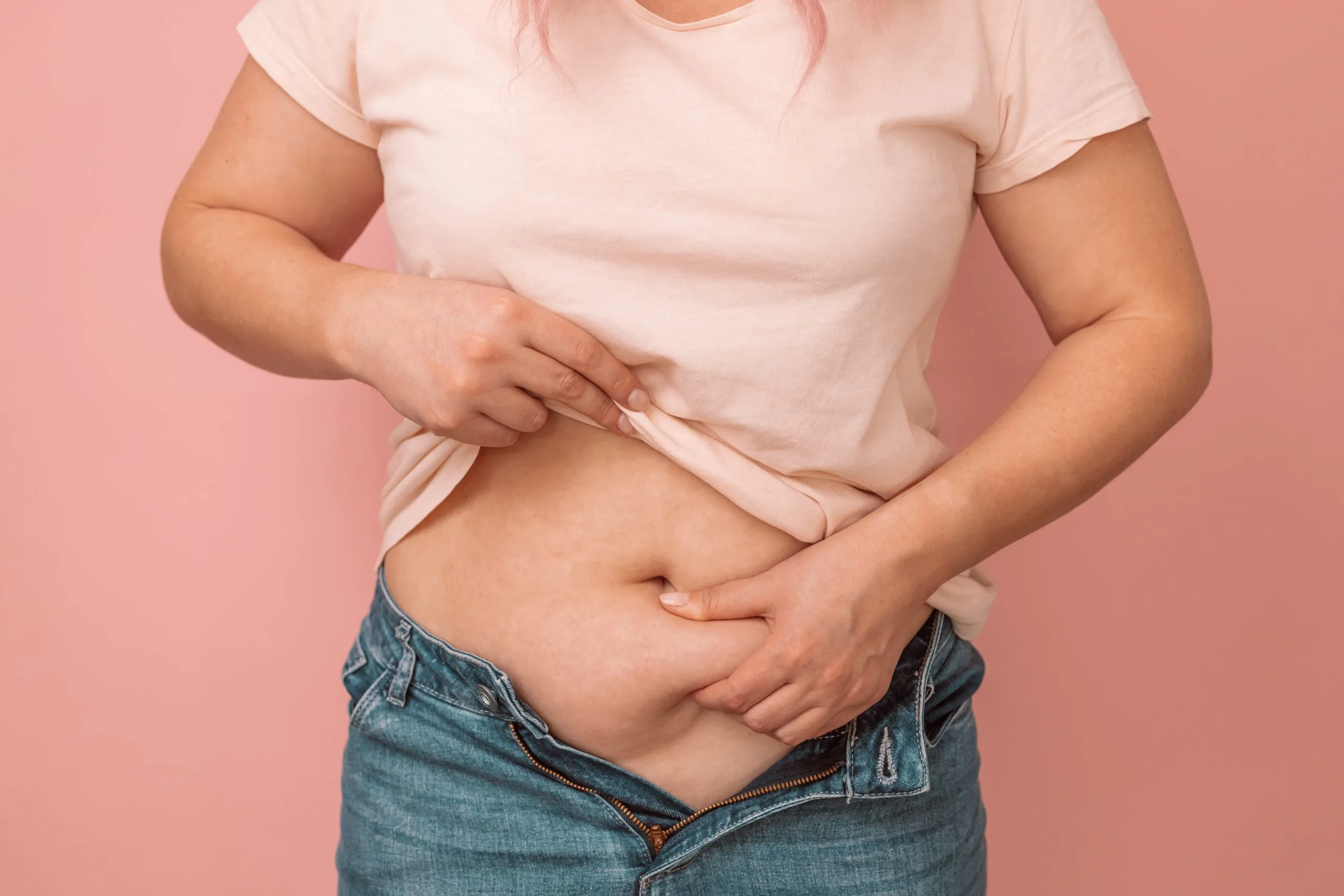
When you’re looking to transform your body, it can feel overwhelming to determine whether you need medical weight loss, body contouring, or both. The choice between these two approaches depends on your current weight, overall health, and specific aesthetic concerns. Medical weight loss is designed for individuals who need to reduce their body weight for health or aesthetic reasons, while body contouring addresses stubborn fat deposits and skin laxity in people who are already at or near their goal weight. Many people benefit from a sequential approach: losing weight first through medical supervision, then refining their results with body-contouring procedures.
Key Differences Between Medical Weight Loss and Body Contouring
Medical weight loss and body contouring serve fundamentally different purposes in your body transformation journey.
Medical weight loss programs focus on reducing your overall body weight through physician-supervised interventions that may include prescription medications, dietary counseling, exercise programs, and behavioral therapy. These programs are typically recommended for individuals with a BMI over 27 who have weight-related health conditions or those with a BMI over 30.
Body contouring, on the other hand, is not a weight-loss solution. These procedures target specific areas where fat persists despite diet and exercise, or address skin and tissue concerns that remain after significant weight loss. Body contouring works best when you’re within 10-15 pounds of your ideal weight and looking to refine your silhouette.
The timeline for results also differs significantly:
Medical weight loss: Gradual results over several months to years, with sustainable lifestyle changes being the foundation
Body contouring: Results can appear within weeks to months, depending on the procedure, with some treatments offering immediate visible changes
Understanding Medical Weight Loss
Medical weight loss programs provide comprehensive, physician-supervised care that goes beyond simple dieting. These programs typically begin with a thorough medical evaluation to identify underlying conditions that may contribute to weight gain, such as thyroid disorders, hormonal imbalances, or metabolic issues.
Modern medical weight loss may include FDA-approved medications, such as semaglutide or tirzepatide, which help regulate appetite and blood sugar levels. These medications have shown remarkable efficacy, with some patients losing 15-20% of their body weight when combined with lifestyle modifications.
The program structure usually includes:
- Regular medical monitoring and lab work
- Personalized nutrition planning
- Exercise prescription tailored to your fitness level
- Behavioral counseling to address emotional eating patterns
- Ongoing support and accountability
Medical weight loss is particularly beneficial for individuals struggling with obesity-related health conditions, such as type 2 diabetes, high blood pressure, sleep apnea, or joint pain. The supervised approach ensures safety while maximizing results
Non-Surgical Body Contouring: What You Need to Know
Non-surgical body contouring has revolutionized aesthetic medicine by offering effective fat reduction and body shaping without incisions, anesthesia, or significant downtime. These treatments use various technologies to target and eliminate fat cells or tighten skin through external application.
Popular non-surgical options include cryolipolysis (fat freezing), radiofrequency treatments, ultrasound therapy, and laser-based procedures. Each technology works differently but shares the goal of reducing localized fat deposits and improving body contours.
What Happens After You’ve Lost Weight
After you’ve lost weight – whether through medical weight loss programs, bariatric surgery, or lifestyle changes – you may notice that certain areas of your body haven’t responded as well as others. This is where body contouring becomes valuable. Weight loss can make you smaller, but it doesn’t always give you the shape you envisioned.
Common concerns after major weight loss include stubborn pockets of fat in the abdomen, flanks, thighs, and arms. Even with a perfect diet and adherence to exercise, genetic factors determine where your body stores fat. Body contouring procedures can address these resistant areas that simply won’t budge with traditional weight-loss methods.
Non-Invasive Body Sculpting Options
Non-invasive body sculpting offers a middle ground between doing nothing and undergoing surgery. These treatments require no anesthesia, involve minimal to no downtime, and carry significantly lower risks than surgical alternatives.
CoolSculpting, one of the most popular non-invasive options, freezes fat cells, which your body naturally eliminates over 2-3 months. Each session can reduce fat in the treated area by approximately 20-25%.
Radiofrequency and ultrasound treatments work by heating fat cells to the point of destruction while leaving surrounding tissue unharmed.
Most non-invasive procedures require multiple sessions for optimal results, but they allow you to return to normal activities immediately. Results appear gradually, which many people prefer as it looks more natural to friends and family.
Dealing with Loose Skin
Loose skin is one of the most challenging aspects of significant weight loss. When you lose a substantial amount of weight, especially if the loss is rapid or if you’re over 40, your skin may not retract completely. Skin elasticity depends on factors such as age, genetics, how long you carried excess weight, and a history of sun damage.
Non-surgical treatments can improve mild to moderate skin laxity through collagen stimulation. Radiofrequency and ultrasound technologies heat the deeper layers of skin, triggering your body’s natural healing response and promoting new collagen production. However, it’s important to have realistic expectations – severe loose skin typically requires surgical intervention for significant improvement.
Some patients find that combining skin-tightening treatments with muscle-building technologies, such as electromagnetic muscle stimulation, can create a more toned appearance, even when loose skin is present.
Am I a Good Candidate for These Treatments?
Determining candidacy requires an honest assessment of your current situation and goals. For medical weight loss programs, you’re likely a good candidate if you have a BMI over 27 with weight-related health issues, or a BMI over 30, and you’re committed to making lifestyle changes. Medical weight loss works best for individuals who are ready to address the root causes of their weight gain and are willing to actively participate in their treatment plan.
For body contouring procedures, ideal candidates meet these criteria:
- Within 15 pounds of their goal weight
- Have specific areas of stubborn fat despite a healthy lifestyle
- Maintain a stable weight for at least 3-6 months
- Have realistic expectations about results
- Are in good overall health
- Don’t smoke (or willing to quit before treatment)
You’re not a good candidate for body contouring if you’re still actively trying to lose significant weight, as the results won’t be stable. Similarly, if you have unrealistic expectations about transforming your entire body with one treatment, you may be disappointed.
Combining Medical Weight Loss and Body Contouring
Many patients find that the most effective approach involves both medical weight loss and body contouring in sequence. This combination strategy addresses both overall weight reduction and specific aesthetic refinement. The typical timeline involves completing your medical weight-loss journey first, maintaining your new weight for several months to ensure stability, and then pursuing body contouring to address any remaining concerns.
Some clinics offer integrated programs in which your medical weight-loss physician works alongside aesthetic specialists to create a comprehensive transformation plan. This coordinated approach ensures optimal timing and sets you up for the best possible outcomes.
Achieving Your Body Goals: Making the Right Choice
Your body goals should drive your decision between medical weight loss and body contouring. If your primary goal is improving health markers, reducing weight-related medical conditions, or losing significant amounts of weight, medical weight loss is your starting point. If you’ve already achieved a healthy weight but struggle with specific areas that don’t respond to diet and exercise, body contouring may be appropriate.
Consider consulting both a medical weight-loss physician and a body-contouring specialist to get professional opinions on which path best suits your needs. Many people benefit from starting with medical weight loss to reach a healthy weight, then transitioning to body contouring procedures to refine their results and address any remaining concerns.
Conclusion
Ultimately, choosing between medical weight loss and body contouring comes down to your starting point and your goals. If you need significant weight reduction, physician-guided programs focused on sustainable weight loss, lifestyle change, and a healthy diet are often the right foundation. For those closer to their goal weight, advanced body-contouring treatments offer targeted fat reduction to address stubborn pockets of fat or procedures to address loose skin. Whether you’re dealing with a resistant abdomen, thighs, or even a small bra bulge, the right approach depends on your unique body type and overall health.
For many patients, the most effective strategy is to start with medical interventions, then refine the results. Once you achieve weight stability, options for fat removal and contour refinement – ranging from non-invasive treatments to select surgical procedures – can help sculpt and define your results. Those seeking subtle enhancements may see visible improvement in just a few weeks, while others may require a more comprehensive approach. The key is developing a personalized treatment plan that aligns with your timeline, expectations, and long-term goals, ensuring results that look natural and feel sustainable.