
Dermal Filler Side Effects: What To Expect?
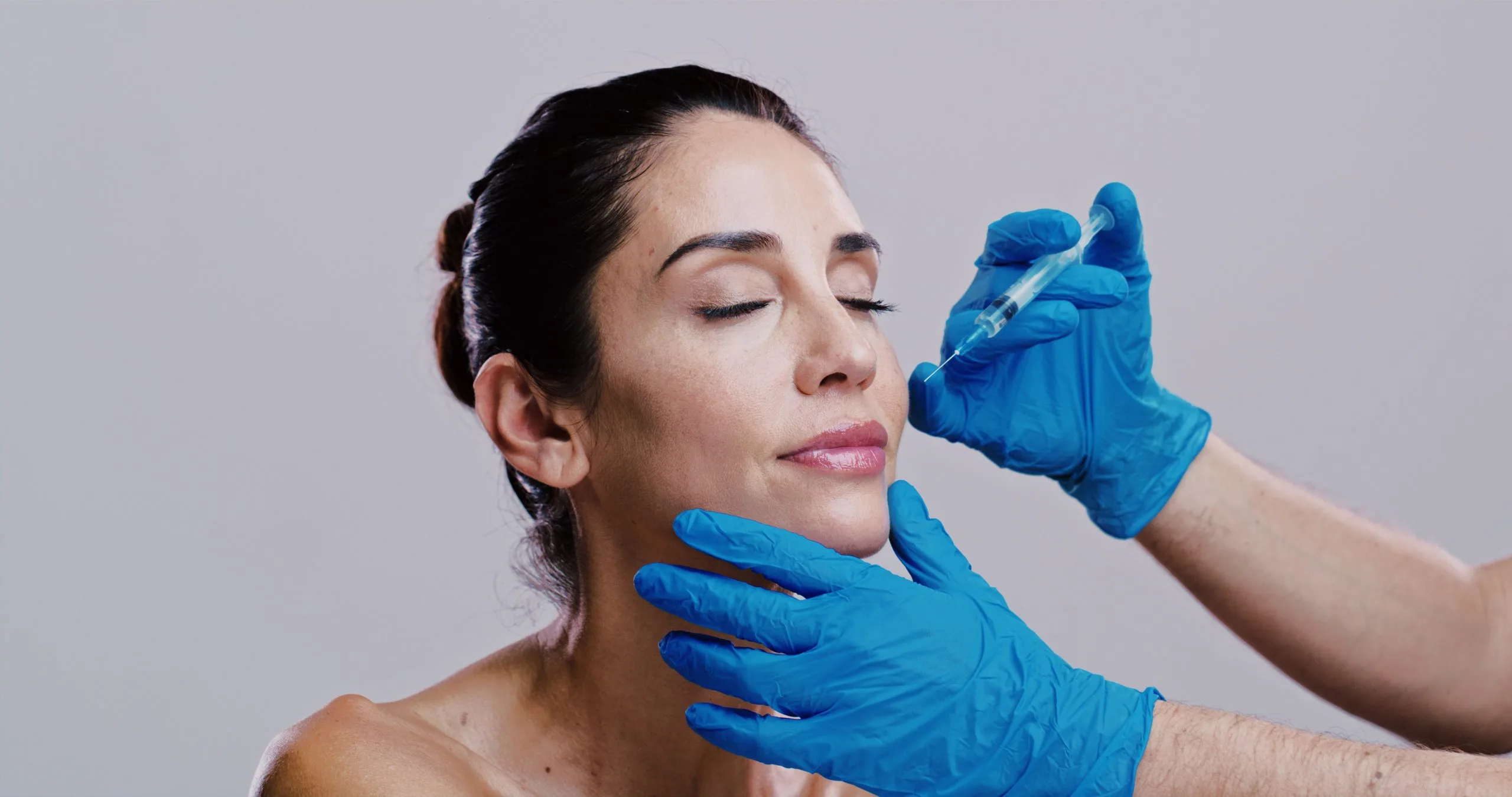
If you’re considering dermal fillers to smooth wrinkles or restore volume to your face, understanding the potential side effects is crucial for making an informed decision. Most people experience only minor reactions, such as swelling, redness, and bruising, at the injection sites, which resolve within a few days to two weeks. However, more serious complications, though rare, can occur and include infection, vascular occlusion, allergic reactions, and changes in skin appearance. Being aware of what to expect helps you prepare properly, recognize normal versus concerning symptoms, and know when to contact your provider for follow-up care.
Understanding Facial Fillers
Facial fillers have become one of the most popular cosmetic treatments in recent years, with millions of procedures performed annually. These injectable treatments work by adding volume beneath the skin to smooth wrinkles, plump lips, enhance shallow contours, and restore a more youthful appearance. The market offers numerous FDA-approved filler treatments that have undergone rigorous testing to ensure safety and effectiveness for cosmetic use.
The most common types of dermal fillers are made from hyaluronic acid, a naturally occurring substance in the body that helps keep skin hydrated and volumized. Popular brands include Juvéderm, Restylane, and Belotero. These products typically last 6-18 months, depending on the specific formulation and treatment area.
Calcium Hydroxylapatite and Other Common Fillers
Beyond hyaluronic acid, calcium hydroxylapatite is another popular filler material found in products like Radiesse. This substance is similar to minerals naturally found in human bones and provides a thicker consistency that works particularly well for deeper wrinkles and facial contouring. The side effect profile is generally similar to that of hyaluronic acid fillers, though the substance cannot be dissolved if complications arise.
Other filler options include:
- Poly-L-lactic acid (Sculptra) – stimulates collagen production gradually
- Polymethyl methacrylate (PMMA) – provides permanent volume with tiny beads
- Each type has unique characteristics and potential side effects
Autologous Fat as a Natural Alternative
Autologous fat transfer involves harvesting fat from one area of your own body (typically the abdomen or thighs) and injecting it into the face. Since this uses your own tissue, allergic reactions are extremely rare. However, this procedure is more invasive, requires liposuction, and can have variable results as some fat naturally reabsorbs over time. Potential side effects include those associated with both liposuction and facial injections, such as bruising, swelling, asymmetry, and the possibility that additional treatments may be needed to achieve desired results.
Facial Fillers vs Botulinum Toxin Injections: What's the Difference?
Many people confuse dermal fillers with botulinum toxin injections, but they work through completely different mechanisms and treat different concerns. Understanding this distinction helps you know what side effects to anticipate for each treatment.
Dermal fillers add volume and physically fill in wrinkles, hollows, and depressions in the skin. They’re ideal for treating static wrinkles (lines visible even when your face is at rest), adding volume to cheeks or lips, and contouring facial features.
How Botulinum Toxin Products Work Differently
Botulinum toxin products like Botox, Dysport, and Xeomin work by temporarily relaxing muscles that cause dynamic wrinkles – the lines that appear when you make facial expressions. These treatments are most effective for crow’s feet, forehead lines, and frown lines between the eyebrows. The side effects differ significantly from fillers and may include temporary drooping of the eyelid or brow, headache, or asymmetry if the product migrates to unintended muscles. While some people receive both treatments during the same appointment, each has its own potential reactions.
Common Side Effects After Your Filler Procedure
Most side effects from dermal fillers are mild and temporary, resolving without intervention. Immediately after treatment, you should expect:
Within the First 24-48 Hours:
- Swelling and puffiness at injection sites
- Redness and tenderness
- Bruising (more common in certain areas like the lips and under the eyes)
- Small bumps or lumps under the skin
- Slight asymmetry as swelling settles
First Week Post-Treatment:
- Gradual reduction of swelling and bruising
- Tenderness with pressure or when making facial expressions
- Possible itching as the area heals
- Temporary firmness of the treated area
Most providers recommend avoiding strenuous exercise, alcohol, excessive heat exposure, and blood-thinning medications for 24-48 hours after treatment to minimize these reactions.
Understanding Filler Migration
Filler migration occurs when the injected product moves from the intended treatment area to surrounding tissues. This complication has received increased attention, particularly with lip fillers. While skilled injection technique significantly reduces this risk, filler migration can result in puffiness, an unnatural appearance, or a “duck lip” effect. Signs include:
- Swelling in areas that weren’t treated
- Asymmetry that develops weeks or months after treatment
- A puffy appearance above the lip line
- Lumps or irregularities in unexpected locations
If you notice these changes, contact your provider promptly. Hyaluronic acid fillers can be dissolved by an enzyme called hyaluronidase if they migrate.
Serious Complications and Warning Signs
While rare, serious complications require immediate medical attention. These include:
Vascular Occlusion: This occurs when filler blocks a blood vessel, cutting off blood supply to tissue. Warning signs include severe pain, skin discoloration (white, purple, or gray patches), vision changes, and cold skin. This is a medical emergency requiring immediate treatment to prevent tissue death or blindness.
Infection: Although uncommon with proper sterile technique, infections can still occur. Symptoms include increasing redness, warmth, pus, fever, or worsening pain several days after treatment.
Severe Allergic Reactions: While rare, allergic reactions can cause difficulty breathing, severe swelling, hives, or dizziness and require emergency care.
Granulomas and Nodules: Hard lumps can sometimes form months after treatment and may require medical treatment or removal.
Choosing a Board-Certified Plastic Surgeon for Your Treatment
One of the most important factors affecting your risk of complications is provider selection. A board-certified plastic surgeon or dermatologist has extensive training in facial anatomy, injection techniques, and complication management. They understand the complex network of blood vessels, nerves, and muscles in the face and can significantly reduce your risk of adverse effects.
When selecting a provider, verify:
- Board certification in plastic surgery, dermatology, or a related specialty
- Specific experience and training with the filler products they use
- A medical office setting with emergency protocols
- Before-and-after photos of actual patients
- Willingness to discuss risks and answer questions thoroughly
Avoid discount providers, “filler parties” in non-medical settings, or practitioners who seem to downplay risks. While these options may seem cost-effective, the potential for complications and corrective procedures can far exceed any initial savings.
Preparing for Your FDA-Approved Filler Treatments
To minimize side effects, follow your provider’s pre-treatment instructions carefully. Typically, this includes avoiding blood-thinning supplements and medications for a week before treatment, arriving with a clean face free of makeup, and disclosing all medical conditions and medications. Come prepared with questions and realistic expectations about results and recovery time.
Understanding potential side effects shouldn’t deter you from treatment, but should empower you to make informed decisions and recognize when something requires attention. Most people tolerate fillers very well and are thrilled with their results. By choosing qualified providers, following pre- and post-care instructions, and knowing what to watch for, you can minimize risks and enjoy the confidence-boosting benefits of your treatment.
Book Your Dermal Filler Procedure at Thrive Medspa & Wellness
Ready to refresh your appearance with injectable fillers? At Thrive Medspa & Wellness, our experienced medical professionals specialize in advanced medical procedures designed to smooth facial wrinkles and restore lost volume for beautifully natural results. During your comprehensive consultation, we’ll review your medical history, discuss your aesthetic goals, and recommend the ideal type of filler injections to address your specific concerns – whether you’re looking to enhance facial volume, soften lines, or achieve overall rejuvenation. We prioritize your safety and satisfaction by using only FDA-approved products and proven techniques to minimize bruising and ensure optimal outcomes. Our team takes pride in creating a natural appearance that enhances your unique features rather than creating an overdone look.
Contact Thrive Medspa & Wellness today to schedule your personalized consultation and discover how dermal fillers can help you look and feel your absolute best.
Conclusion
For people considering dermal fillers, side effects range from minor and manageable to serious but rare complications that require professional intervention. Understanding that modern soft-tissue fillers are gel-like substances – with hyaluronic acid (HA) fillers among the most popular – helps you appreciate both their effectiveness in treating facial lines and acne scars and their safety profile when administered correctly. However, dermal filler complications can arise from various factors, including filler ingredients, improper injection technique, or individual immune response. The most concerning vascular complications include reduced blood flow that can lead to skin necrosis and bluish discoloration if an accidental injection occurs near critical blood vessels. These serious issues can occur immediately after treatment, and they can be treated immediately when recognized early. Other reactions, such as localized pain, an inflammatory reaction, or even muscle weakness from muscle contraction near injection sites, typically resolve with conservative measures, such as cold compresses or oral antibiotics for infections.
The key to minimizing potential complications is to work exclusively with board-certified dermatologists or plastic surgeons who understand facial anatomy and can inject dermal fillers safely. Never buy dermal fillers from unauthorized sources or receive treatment from unqualified providers, as the risks far outweigh any cost savings. Your initial treatment consultation should cover your complete medical history, including recent dental procedures that might affect timing, and discuss realistic expectations about results. Be aware that using too much filler can create an unnatural appearance and may require surgical removal in extreme cases, while proper technique preserves natural facial movements and expression.
For comprehensive information about what to expect before, during, and after treatment, consult our injectable fillers guide and don’t hesitate to ask your provider detailed questions about their experience, the specific type of product they recommend, and how they handle complications should they arise. Remember that education is your best tool for achieving natural-looking results while minimizing risks and ensuring your safety throughout the enhancement journey.