Laser for
Pigmentation: How
Long Do Results
Last?
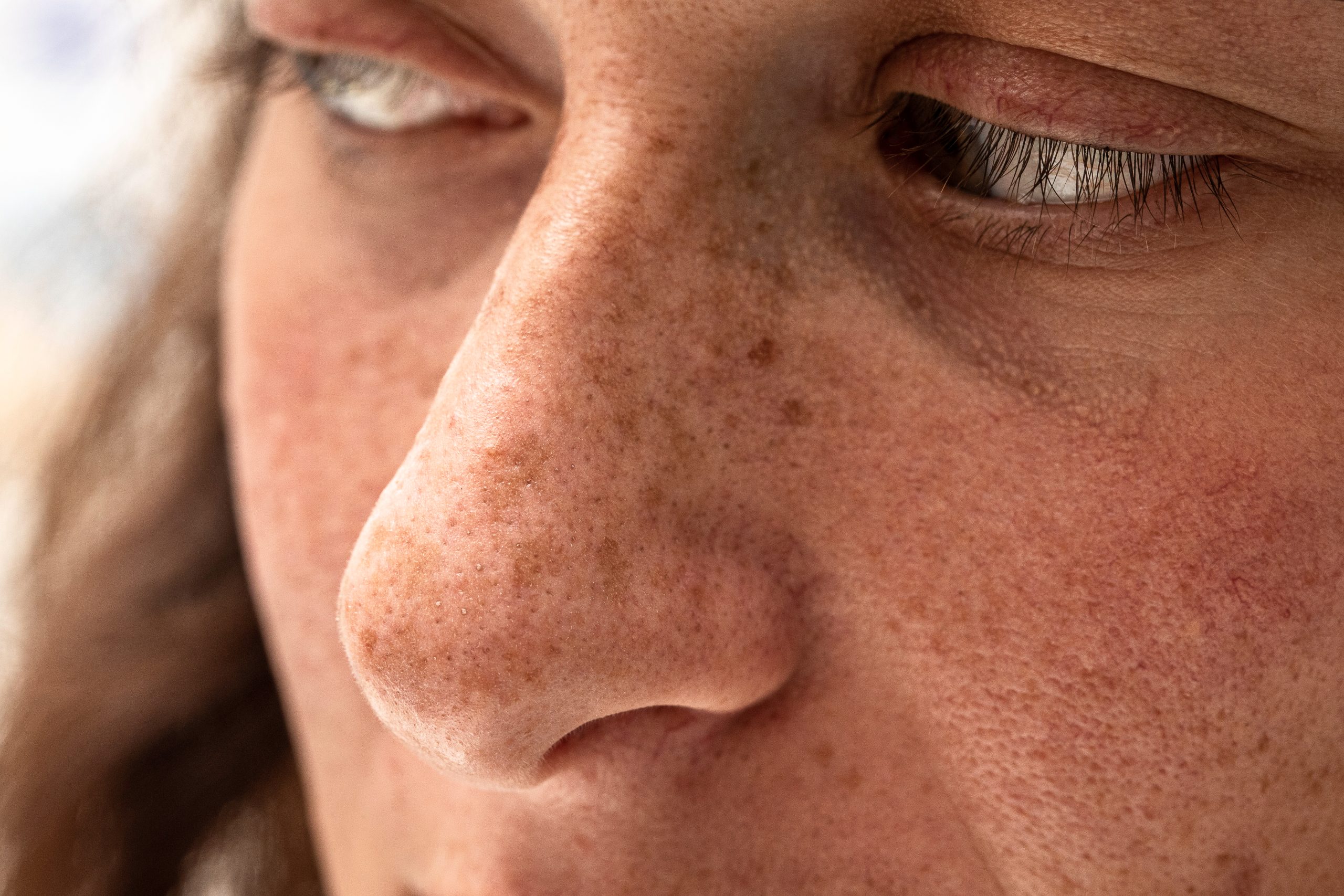
Those patches of uneven color that show up after sun exposure, pregnancy, or old acne breakouts can feel incredibly difficult to shift. Topical products only go so far. Laser for pigmentation offers a more targeted approach, and one of the most common questions people ask before booking a consultation is how long the results actually last. For most people, results last between 1 and 3 years with proper maintenance. Some types of pigmentation respond so well that they don’t return at all.
How Laser Treatment for Hyperpigmentation Actually Works
Lasers work by delivering concentrated light energy into the skin. The pigment-producing cells absorb this energy, and the excess melanin responsible for dark patches breaks down. Your body then naturally clears the debris through its lymphatic system over the weeks following treatment.
Different laser technologies target different depths of the skin, which is why the type of laser your clinician chooses matters. Q-switched lasers and picosecond lasers are particularly effective at shattering melanin particles without causing significant damage to surrounding tissue. This makes them a popular first choice for treating sun damage, age spots, and melasma.
Results are often visible within 2 to 4 weeks after the first session. With each subsequent treatment, skin tone becomes more even, texture smoother, and overall appearance noticeably clearer.
Schedule your laser treatment at Thrive Medspa & Wellness
Not All Dark Spots Are the Same – and That Matters
- Sun spots (also called solar lentigines) – flat, brown patches caused by years of UV exposure, typically on the face, chest, and hands
- Post-inflammatory hyperpigmentation (PIH) – discoloration left behind after acne, injury, or inflammation
- Melasma – larger, blotchy patches often linked to hormonal changes, common during pregnancy or with contraceptive use
- Freckles – usually genetic, often intensified by sun exposure
The Most Effective Way to Remove Hyperpigmentation for Good
To effectively remove hyperpigmentation, a combination approach often delivers the best outcome. Laser is the heavy lifter, but your clinician may recommend pairing it with topical treatments, such as vitamin C serums or prescription retinoids, to accelerate fading between sessions and protect results long-term. Consistent SPF use is not optional here; it’s essential. UV exposure is one of the primary triggers for all forms of hyperpigmentation, and without sun protection, new spots can form even as old ones fade.
How Many Sessions Will You Actually Need?
- Superficial sun spots: often respond in 1–3 sessions
- Post-inflammatory hyperpigmentation: typically 3–6 sessions
- Melasma: usually requires 4–8 sessions, with maintenance treatments ongoing
- Deeper or longstanding pigmentation: may need 6 or more sessions
Does Laser Treatment Work Permanently? Here's the Honest Truth
Here’s what many clinics won’t say plainly enough: lasers can permanently destroy existing pigment, but they cannot prevent new pigmentation from forming if the underlying cause is still present.
Sun spots treated with laser often don’t come back, provided you protect your skin from UV exposure going forward. But if you continue spending time in the sun without adequate SPF, new spots will form. The laser didn’t fail; new damage occurred.
Melasma is the clearest example of a condition where ongoing management is key. Hormonal triggers, heat, and sun exposure can all reactivate melanocytes even after successful treatment. For these patients, a maintenance session once or twice a year, combined with a consistent skincare routine, is usually recommended to keep pigmentation in check.
So while results can absolutely be long-lasting, it helps to think of laser as part of a longer relationship with your skin health, rather than a one-time fix.
Your Post-Treatment Plan Makes or Breaks Your Results
What you do in the days and weeks after your session has a significant impact on both your results and your comfort during recovery.
Directly after treatment, skin may look slightly red or feel warm – similar to a mild sunburn. This typically resolves within 24 to 48 hours. Some patients notice a temporary darkening of treated spots before they fade; this is a normal sign that the pigment is breaking down.
Key post-treatment guidelines:
Avoid direct sun exposure for at least two weeks after treatment
Apply SPF 30 or higher every morning, regardless of the weather
Don’t pick at any flaking or darkened skin – let it shed naturally
Keep skin moisturized with a gentle, fragrance-free product
Avoid intense heat (saunas, steam rooms, very hot showers) for a few days
Following these steps carefully protects your results and reduces the likelihood of temporary side effects.
Is Laser Treatment Safe for All Skin Types?
For the vast majority of patients, laser treatment is safe when performed by a qualified provider using the right technology for your skin type.
Risks are generally low and temporary – short-term redness, mild swelling, and brief darkening before pigment clears. In rare cases, and most commonly when treatment isn’t properly tailored to darker skin tones, there is a risk of post-inflammatory hyperpigmentation. This is why choosing a clinic with experience across diverse skin tones matters enormously. A thorough consultation and patch test before your first full session significantly reduces this risk.
Already Thinking About Laser Hair Removal? You Can Address Both at Once
What Does Hyperpigmentation Laser Treatment Cost in Practice?
Cost varies based on the area being treated, the number of sessions required, the technology used, and the clinic’s location and expertise.
General ranges to keep in mind:
A single session for a small area (a few sun spots) may start from $150–$300
Full-face treatments typically range from $300–$800 per session
A complete course for melasma or more extensive pigmentation can run $1,000 to over $3,000
While cost is a real factor, it’s worth weighing against the long-term outcome, and against the years many patients spend on skincare products that deliver far less. Many clinics offer package pricing for multiple sessions, which can significantly reduce the per-session cost.
Is Laser Pigmentation Treatment the Right Choice for You?
Whether you’re dealing with mild discoloration left behind by a breakout or deeper patches that have built up over years of sun exposure, there is a professional treatments pathway that fits your situation. Laser therapy works by directing precise laser light into the skin to break down excess melanin. Thanks to advanced technology, clinicians can now treat hyperpigmentation across a much wider range of skin tones with fewer risks and more predictable outcomes. The results are real, the technology is well-established, and with the right aftercare, they can last for years. A consultation with a qualified clinician is all it takes to find out what’s possible for your skin.
The Bottom Line
Pigmentation forms when skin produces excess melanin in response to triggers like UV damage, hormonal shifts, or skin trauma. While topical creams and chemical peels can help at the surface level, they rarely reach the deeper layers where stubborn pigmentation lives. Modern laser devices, particularly non-ablative lasers, work beneath the surface without disrupting surrounding skin, making them one of the most precise and effective tools available today.
Treatment is straightforward – patients wear protective eyewear during sessions, and downtime is minimal – and results build progressively with each visit. The most important thing you can do to protect those results long-term is commit to a gentle skincare routine and consistent sun protection, since UV exposure remains the single biggest driver of new pigmentation and, more seriously, skin cancer. If you’ve tried everything else and are ready for a solution that actually works at the source, laser therapy is worth a serious conversation with a qualified clinician.