How to Get Rid of Sun Damage on Face: Why Laser Resurfacing Delivers Lasting Results
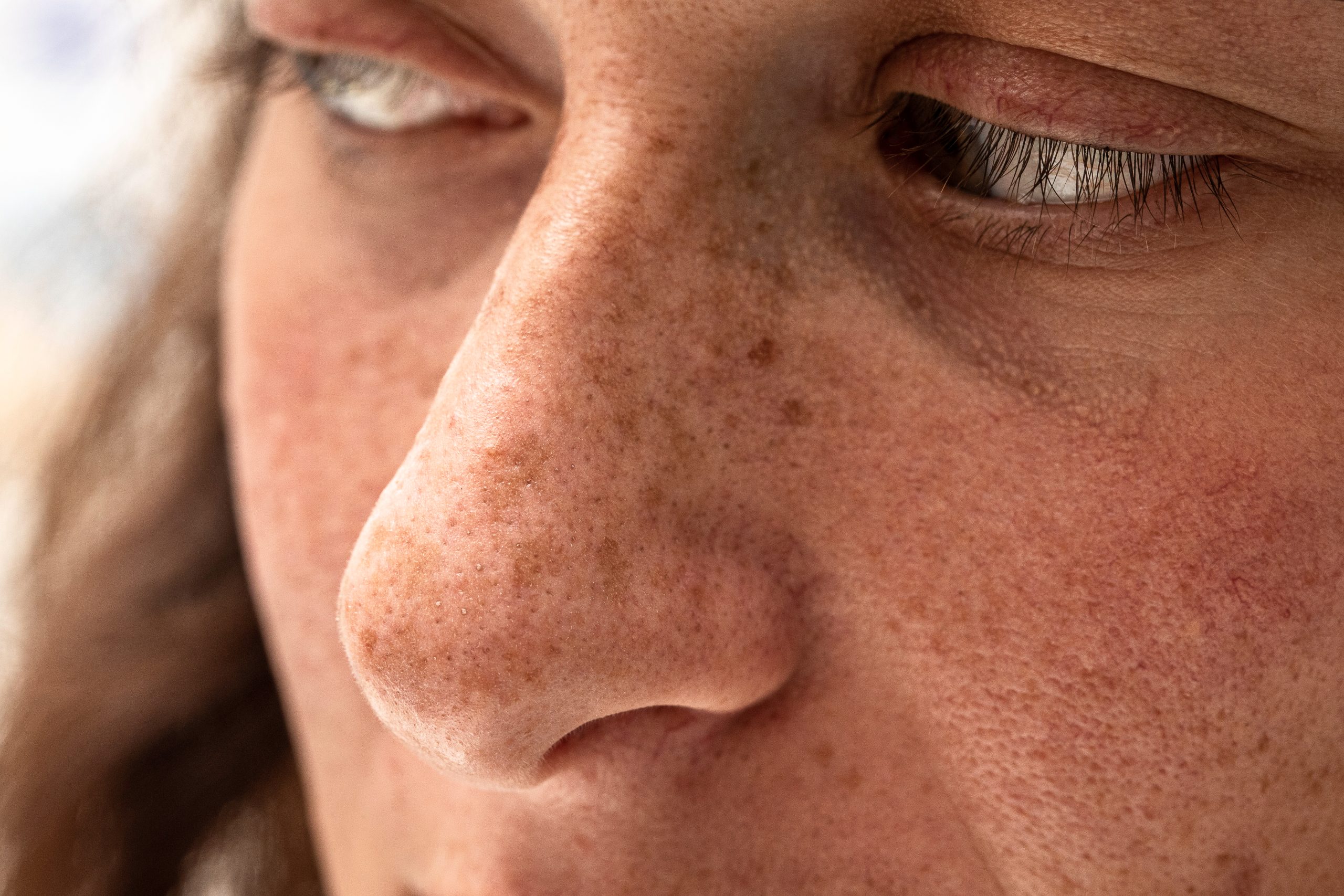
Years of sun exposure have a way of showing up all at once – uneven tone, rough texture, brown patches, and fine lines that seem to multiply overnight. If you’ve been searching for a real solution, laser resurfacing is one of the most effective treatments available today. It goes beyond the surface to stimulate new collagen, resurface the skin, and deliver lasting results that most other treatments simply can’t match.
Here’s everything you need to know about how sun damage affects your skin and why laser resurfacing has become the go-to choice for people who want meaningful change.What Is Sun Damage and Why Does It Cause Skin Damage?
Every time your skin is exposed to UV radiation without protection, damage begins at a cellular level. UV rays break down collagen fibers, disrupt melanin production, and cause DNA changes in your skin cells. Over time, this cumulative exposure shows up as visible skin damage – dark spots, uneven pigmentation, rough patches, broken capillaries, and lines that deepen year by year.
The frustrating part? A lot of this damage is invisible for years before it surfaces. That tan you loved in your twenties can show up as hyperpigmentation and textural changes in your forties. Sun damage is also one of the leading causes of accelerated skin aging, making people look significantly older than their biological age.
The Real Risks: From Dark Spots to Skin Cancer
Sun damage is more than a cosmetic issue. Prolonged UV exposure is directly linked to skin cancer, including squamous cell carcinoma, basal cell carcinoma, and melanoma. Actinic keratoses – rough, scaly patches that develop on sun-exposed skin – are considered precancerous and should always be evaluated by a dermatologist or qualified skincare provider.
That said, the majority of people dealing with sun damage are managing the cosmetic side: dark spots, redness, dullness, and an overall complexion that looks tired and uneven. Addressing that damage with the right treatment plan not only improves your appearance – it can also give your provider the opportunity to identify anything that needs closer medical attention.
Common Treatments for Damaged Skin
There are several options for treating sun-damaged skin, and they work very differently from one another. It helps to understand what each one does before deciding what’s right for you.
Chemical Peels and Alpha Hydroxy Acid
Chemical peels use acids to exfoliate the outer layers of skin, triggering cell turnover and improving tone and texture. Alpha hydroxy acid, including glycolic and lactic acids, is often used in lighter peels for surface-level brightening and mild pigmentation. Deeper peels can address more significant damage, but come with longer recovery times.
For mild sun damage or as part of a maintenance routine, chemical peels can be very effective. They’re generally affordable, widely available, and require little preparation. However, they don’t stimulate deep collagen remodeling the way laser treatments do, which limits how much they can accomplish with more advanced damage.
Intense Pulsed Light (IPL) Therapy
Intense pulsed light (IPL) is a light-based therapy that targets pigmentation and redness. It works by delivering broad-spectrum light pulses to the skin, which are absorbed by melanin and hemoglobin. This breaks up brown spots and reduces visible blood vessels.
IPL works well for people with early or moderate sun damage, particularly those dealing with diffuse redness and scattered pigmentation. Multiple sessions are typically needed, and results can vary depending on skin tone and the depth of the damage. IPL does not improve skin texture and has a limited impact on fine lines.
Sagging Skin and Premature Aging – Why Surface Treatments Fall Short
One of the most common frustrations people have with topical products and light-based treatments is that they help with color, but not structure. Sun damage doesn’t just change how your skin looks on the surface. It breaks down the collagen and elastin that keep your skin firm, resilient, and smooth.
The result is loose skin around the jawline and under the eyes, and premature aging that adds years to your appearance. Creams and serums can support your skin’s health and slow further damage, but they can’t rebuild what’s already been lost. Surface treatments address the top layers. Laser resurfacing works at a structural level, and that makes a significant difference in real-world results.
Why Laser Resurfacing Is the Gold Standard Skin Treatment
Laser resurfacing is considered the gold-standard treatment for sun damage because it does something no other approach can fully replicate: it triggers the skin’s own healing process to rebuild from within.
There are two main types – ablative and non-ablative:
Ablative lasers (such as CO2 or erbium) remove the outer layers of the skin, prompting significant regeneration. They deliver dramatic results in a single session but require a longer recovery period, typically one to two weeks.
Non-ablative lasers create controlled heat injury beneath the surface without removing skin, stimulating collagen production with minimal downtime.
Fractional lasers (available in both types) treat only a fraction of the skin at a time, leaving surrounding tissue intact to speed up healing.
Your provider will recommend the best type based on your skin, lifestyle, and the amount of downtime you can manage.
What makes laser resurfacing stand out is its ability to address multiple concerns at once: pigmentation, texture, fine lines, pore size, and skin laxity. It doesn’t just target the symptom – it addresses the underlying structural damage caused by sun exposure over the years.
Results continue improving for three to six months after treatment as new collagen forms. And with appropriate sun protection going forward, those results are genuinely long-lasting.
What to Expect from Facial Rejuvenation with Laser Resurfacing
The idea of a laser treatment sounds intense, but the experience is far more manageable than most people expect. Here’s a realistic overview of the process:
Before your treatment:
Your provider will review your skin history, sun damage patterns, and any medications or skin conditions that could affect your results
You may be asked to prep your skin with topical retinoids or lightening agents in the weeks before treatment
Avoiding sun exposure before your appointment is essential
During the treatment:
A topical numbing cream is applied beforehand, and some providers offer additional comfort options for deeper treatments
The procedure itself typically takes 30 to 90 minutes, depending on the area being treated
Most patients describe the sensation as a warm, prickling feeling
After your treatment:
Redness and swelling are normal for the first few days to a week
Your skin will peel as it heals – this is part of the process
Sun protection becomes even more important during recovery and long-term
Facial rejuvenation through laser resurfacing isn’t a one-time fix with no follow-up. Protecting your investment means wearing broad-spectrum SPF every day, even on cloudy days. Your provider may also recommend periodic maintenance treatments to keep results looking their best.
Schedule Your Laser Skin Resurfacing Treatment Today!
If uneven skin texture, skin discoloration, or clogged pores have been affecting your confidence, now is the time to do something about it. Laser resurfacing is one of the most effective minimally invasive procedures available for aging skin, designed to treat wrinkles, smooth out roughness, and reduce the visible signs of aging that build up over years of sun exposure. By working with your skin’s own natural healing process, it delivers results that look and feel genuinely refreshed, not overdone. Whether you’re just starting to notice changes or you’ve been living with significant sun damage for years, a personalized treatment plan can make a real difference.
Reach out today to schedule your consultation at Thrive Med Spa & Wellness and take the first step toward skin that looks as healthy as you feel.
The Bottom Line
Sun damage doesn’t happen all at once – it’s the result of years of exposure to ultraviolet radiation, including UVB light, that quietly alters skin cells’ DNA and disrupts normal cells long before visible changes appear. Tanning beds carry the same risks as direct UV light, and avoiding them is just as important as wearing protective clothing and wearing sunscreen every day. Choosing a broad-spectrum sunscreen with a meaningful sun protection factor (SPF) is one of the simplest, most powerful steps you can take to preserve your skin color, prevent further damage, and protect everything your treatment has worked to restore.
Laser resurfacing works by delivering a gentle beam of energy deep into the skin to stimulate new skin growth, clear away dead skin, and rebuild the structural foundation that natural aging gradually wears down. Depending on your skin type and the extent of the damage, treatment can reduce wrinkles, including deep wrinkles, treat fine lines, restore skin elasticity, and address cosmetic concerns like broken blood vessels and spider veins. Some providers also incorporate complementary therapies, such as red fluorescent light or targeted techniques to freeze noncancerous age spots, rounding out your overall results.
In the long term, maintaining your results comes down to consistent daily habits. Addressing dry skin with proper hydration supports elasticity and comfort, while adding vitamin C to your skincare routine delivers antioxidant protection against ongoing UV light exposure and helps keep your tone bright and even. Paired with broad-spectrum sunscreen worn every single day – rain or shine – these simple steps extend the life of your results and keep your skin looking its best for years to come.